Replicating Japan’s Transit-Oriented Development (TOD) model in the Philippines requires more than just importing rail projects; it necessitates a tailored approach that addresses unique local political and economic realities. In Japan, TOD is defined by high-density, mixed-use neighborhoods centered on transit stations where rail operators often act as the real estate developers, financially tying transport to urban growth. Success in this model hinges on integrated mobility, walkable communities, and seamless institutional coordination between land use and transit policies.
Challenges in the Philippine Context
 |
| Philippine's jeeps |
The Philippine landscape presents several hurdles to this integrated model:
- Fragmented Transport Systems: Metro Manila's buses, jeepneys, and UV Express units operate under a "boundary-system" that encourages on-road competition rather than a coordinated network.
- Powerful Lobbying: Strong political and economic influence from bus and jeepney operators has historically diluted reform efforts.
- Institutional and Land Use Gaps: Overlapping agency responsibilities, fragmented land ownership, complex property rights, and informal settlements along rail corridors complicate large-scale development.
- Resource Constraints: There are often limited public funds available for massive transit infrastructure.
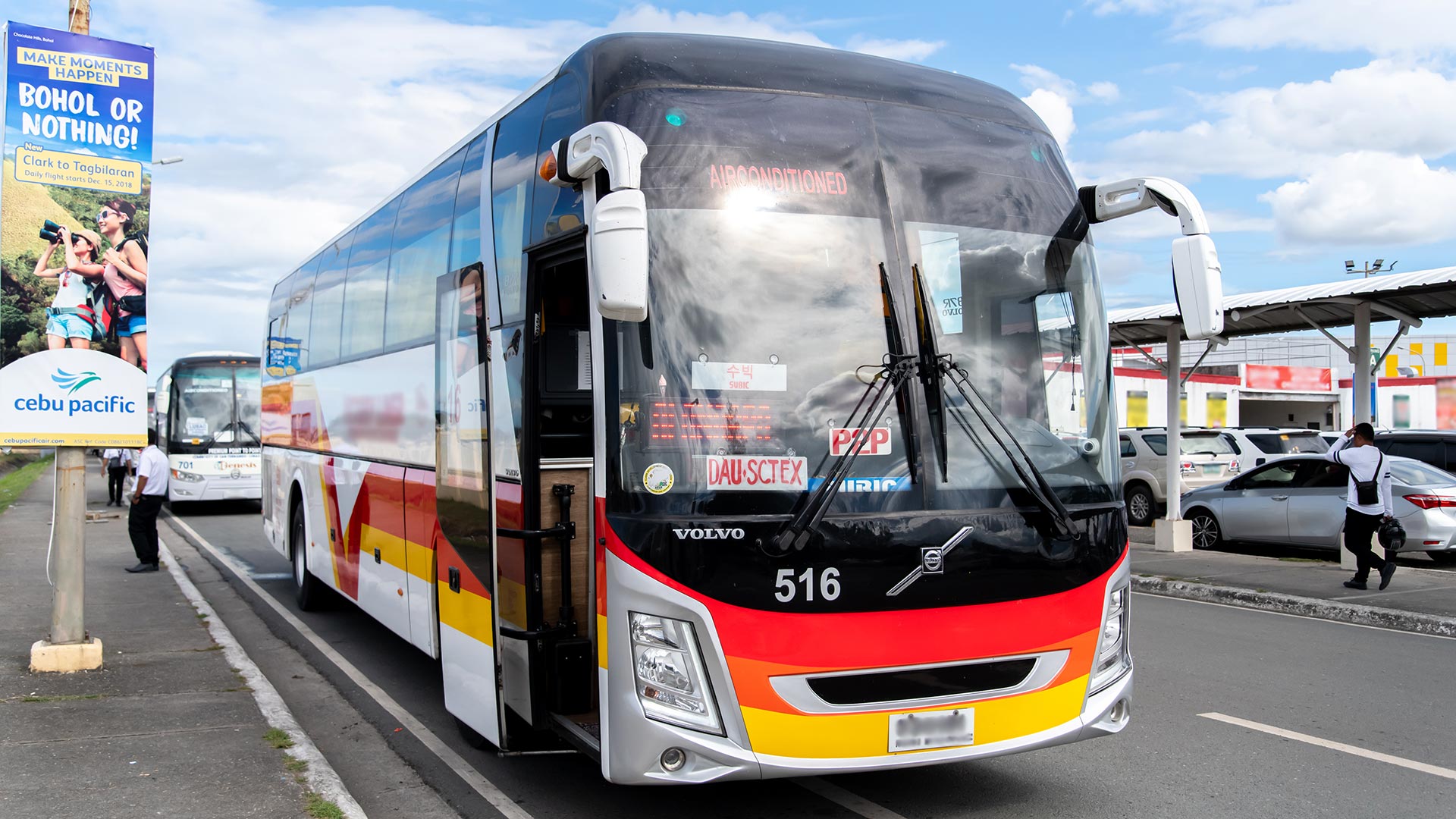 |
| Philippine provincial buses |
Strategies for Adaptation
To successfully localize TOD, policymakers should focus on the following pillars:
- Strengthened Governance and Policy Frameworks The Philippines should establish national TOD policy frameworks and dedicated task forces or special-purpose authorities. These bodies would include representatives from transport, housing, and local governments to align rail projects with feeder systems and zoning laws. Incentivizing local governments to adopt transit-friendly zoning can help streamline high-density mixed-use developments near stations.
Reforming Transport into Integrated Networks Rather than replacing existing modes, the goal is phased integration. This involves shifting from "in-market competition" to competitive tendering, where operators bid for the right to serve specific corridors under strict performance standards. Buses and jeepneys should be transitioned into feeder services that align with rail schedules and unified fare systems.
Elevated train - Inclusive Stakeholder Engagement To neutralize resistance, bus and jeepney operators must be treated as partners rather than opponents. Strategies include:
- Offering operators equity stakes in new TOD projects or joint ventures for transit hubs.
- Providing transition pathways where operators are contracted for "first-and-last-mile" services within TOD zones.
- Offering technical and financial support to help operators upgrade fleets and integrate digital scheduling.
Financial and Land Use Innovation Since public funds are limited, the Philippines can utilize Land Value Capture tools, such as special assessment districts and development impact fees, to fund transit via rising property values. Tax Increment Financing (TIF) and "Land Readjustment" mechanisms — adapted for informal settlement contexts — can help consolidate land for development. Developers might also be granted higher floor-area ratios (FAR) in exchange for funding integrated terminals.
Train station - Adaptive Design and "TOD-lite" Initial efforts can focus on "complete street" standards that prioritize pedestrians and cyclists near transit nodes. This "TOD-lite" approach emphasizes immediate improvements in walkability, traffic management, and space for informal street vendors before major infrastructure is finalized.
| Electrified at-grade trams |
The Path Forward: Pilot Projects
Successful implementation should begin with high-impact pilot projects in progressive areas like Manila City (the city jail redevelopment at the intersection of LRT1 and LRT2), Makati City, Taguig City, or Quezon City, where rail infrastructure already exists. These pilots allow for the testing of "Transit Coalitions" involving rail agencies, developers, and bus operators to share benefits and build public support.
Another approach to piloting is to implement in suburbs such as Antipolo City, Rizal towns (Angono, Binangonan, Cardona, Morong, Baras, Tanay, Pililla, and Jala-jala) or Cavite towns.
The ultimate goal is a "Philippine TOD hybrid" that respects the existing transport ecosystem while gradually transforming it into a more efficient, equitable, and integrated urban system.
To visualize this integration, consider the "Swiss Cheese Model": rather than one system trying to do everything, each mode of transport—rail, bus, and jeepney—acts as a layer that fills the gaps (the holes) of the others, eventually creating a solid, seamless block of mobility.
AI assistance (ChatGPT, OpenAI, DeepSek, Gemini) was used to help draft and organize this blog post; the author takes full responsibility for the final content.
References
Reform bus transport system to ease Metro Manila traffic woes — PIDS study, https://www.pids.gov.ph/details/reform-bus-transport-system-to-ease-metro-manila-traffic-woes-pids-study
Transit Oriented Development (TOD) - Sharing our experience with the world, https://www.ur-net.go.jp/overseas/urtod.html
BCDA, JICA ink deal on promoting transport-oriented dev’ts, https://www.pna.gov.ph/articles/1198069

No comments:
Post a Comment