 |
| Transit-Oriented Development Design - E-Architect |
Hi everyone. I’m a planning-hobbyist, a writer, and a bit of a transit nerd. I’ve studied cities across the globe, but my perspective on how nations can truly build sustainably was fundamentally reshaped by years of observing—and living within—the Taiwan model.
Let me explain how Taiwan’s experience with Transit-Oriented Development (TOD) taught me a framework that any country could adapt. It’s not just about trains; it’s about a profound philosophical shift.
My Core Takeaway: The Skeleton and the Organs
 |
| www.urban-transport-magazine.com/ |
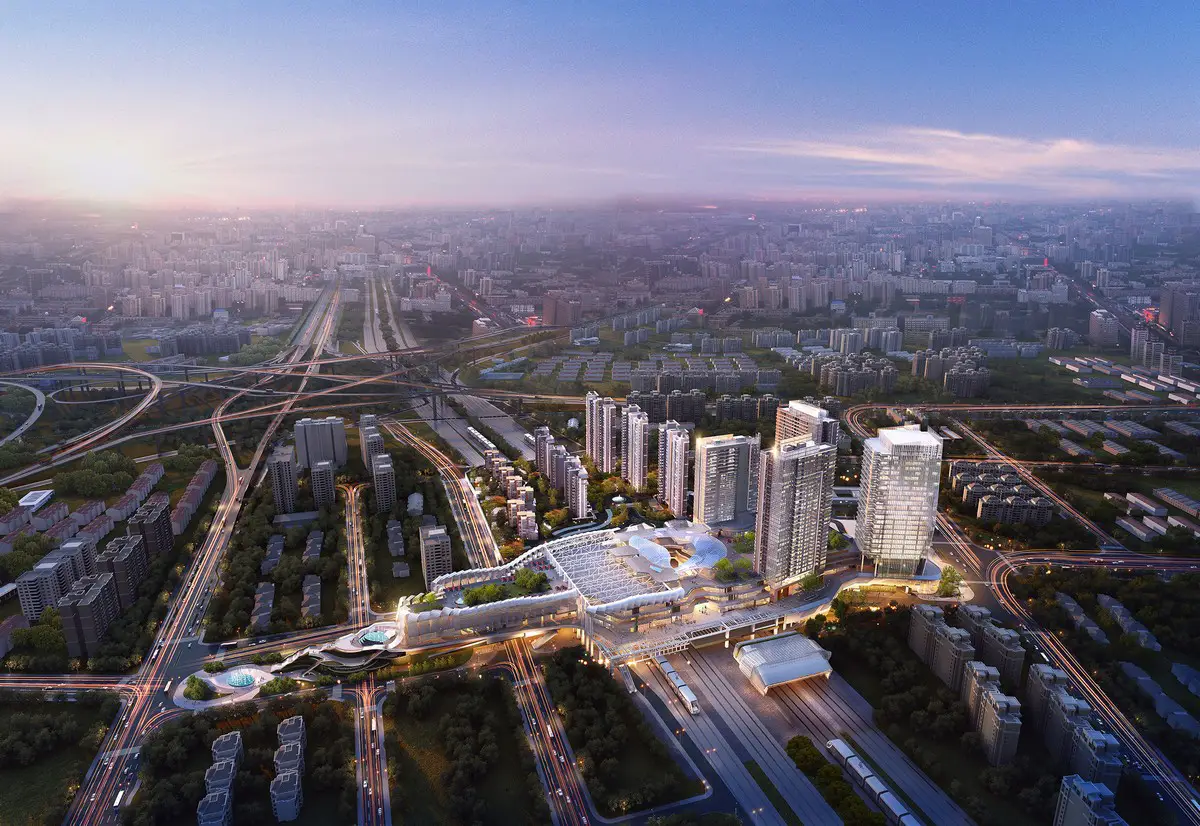
Before Taiwan, I saw transit as a service. After Taiwan, I see it as a skeleton. The lesson here is powerful: you must build your country's growth upon the sturdy backbone of high-quality rail. The TOD—the dense, vibrant mixed-use neighborhoods—then becomes the living organs attached to that skeleton. This creates a complete, functioning organism, not a scattered collection of parts.
What I Saw Built: The "Hardware" of Success
On the ground, this philosophy translates into tangible systems. Here’s the hardware that made me a believer:
- A Seamless, Hierarchical Network: Taiwan showed me the blueprint. High-Speed Rail for the national scale, Metro (MRT) for the metropolis, and Light Rail/Commuter Rail for the local feed. They work as one integrated system. The lesson for any country is clear: plan your multi-modal rail framework first. TOD follows the rails.
- The 10-Minute Walk Universe: I lived it. Within a 500-800 meter radius of an MRT station, my world was complete. Groceries, clinics, cafes, parks, and my apartment—all a short, pleasant walk away. This mixed-use, high-density zoning isn’t an accident; it’s mandated policy.
- The Magic of Seamless Integration: What truly won me over was the effortless connectivity. At every station, I found:
- YouBike docks for the perfect "last-mile" solution.
- Bus interchanges designed to feed the rail line, not compete with it.
- Pedestrian networks that were protected, covered, and prioritized, often flowing directly into shopping plazas or public squares.
The Invisible Engine: The "Software" of Policy
The physical infrastructure is stunning, but I learned it’s enabled by brilliant, often invisible, software.
- Unified, Powerful Governance: Success came from strong public leadership and entities like the Metro and Land Development Corporation. It taught me that without a dedicated, empowered authority, TOD remains a fragmented dream.
- The Genius of Value Capture: This was my "aha!" moment. Taiwan’s widespread use of Joint Development (JD) models is the financial masterstroke. The public agency partners with private developers, shares the uplift in land value from the new rail, and reinvests those profits into more transit. It’s a virtuous cycle that funds its own growth.
- Carrots, Not Just Sticks: Through incentive-based zoning, developers get density bonuses for including public plazas, arcades, or affordable housing. This aligns private profit with public good.
The Human Feel: It’s About Livability
 |
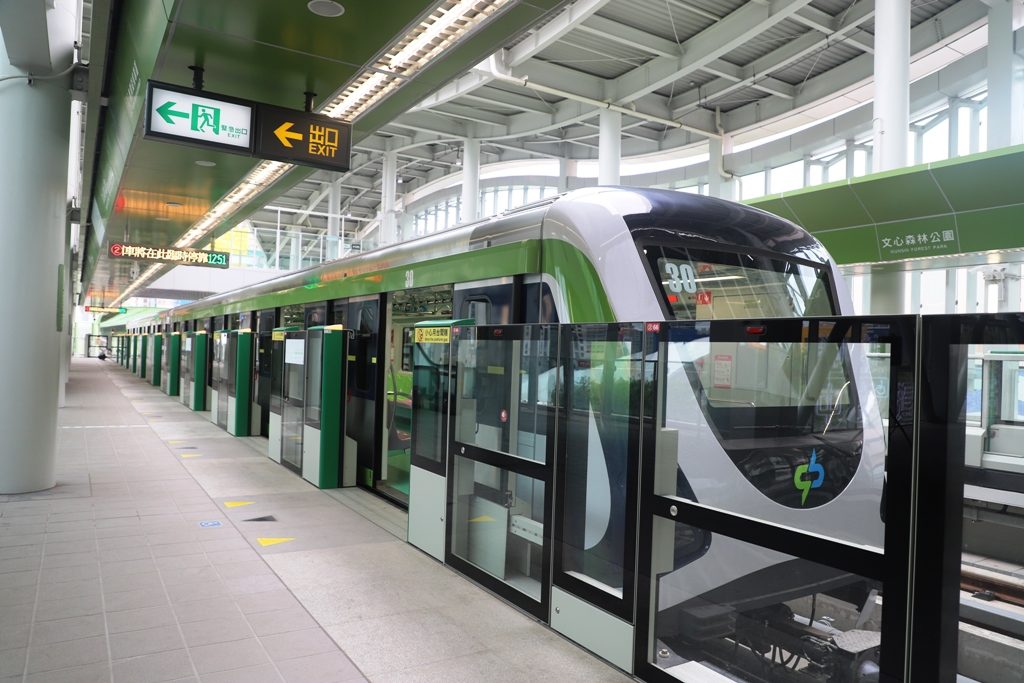
| Taiwan’s Hualien Station |
Ultimately, Taiwan’s TOD succeeded because it won people over emotionally, not just functionally.
I didn’t just commute through stations; I met friends at their plazas, discovered local artists in themed neighborhoods (like Beitou’s hot-spring vibe), and appreciated the growing push for inclusive housing to keep communities diverse. It felt designed for life, not just for transit.
How I'd Structure a National Plan Today (Inspired by Taiwan)
If I were to advise a country today, my framework, stolen from the best of Taiwan, would look like this:
Phase 1: Lay the Foundation
- Create a National TOD Authority with real power.
- Draw a National Rail-Led Spatial Plan, identifying priority corridors and nodes.
- Pass the enabling laws for value capture and mixed-use zoning from day one.
Phase 2: Prove the Concept
- Choose Pilot Cities: one for urban renewal, one for greenfield development. Show, don’t just tell.
- Implement "Quick Wins" like pedestrianizing streets around stations and launching bike-share to build immediate goodwill.
Phase 3: Scale & Sustain
- Develop a standard Joint Development Toolkit to streamline partnerships.
- Create a Revolving Fund, using proceeds from early successes to finance the next generation of projects.
Phase 4: Mainstream the Culture
- Mandate that all major urban plans be TOD-compliant.
- Actively market the TOD lifestyle—the time saved, the air cleaned, the communities built.
A Note of Caution from My Observations
Taiwan’s path wasn’t without challenges. The initial capital cost is massive. Land assembly can be complex. Their dense geography was a natural advantage. Most critically, this requires a 20-30 year vision that outlasts political cycles. The will must be deeper than any single election.
My Final Reflection
Taiwan taught me that TOD is the most powerful tool we have for building sustainable, resilient, and human-centric nations. It’s a holistic recipe:
Transportation + Land Use + Design + Finance + Governance.
For any country, the task isn’t to copy Taiwan line-for-line. It’s to absorb its core principles—the seamless integration, the financial ingenuity, the pedestrian-first heart—and graft them onto your own unique context. Start with the skeleton, and build a better future from there.
What’s your experience with a truly integrated city? Have you lived somewhere that gets this right? Let’s discuss in the comments.
AI assistance (DeepSeek) was used to help draft and organize this blog post; the author takes full responsibility for the final content.

No comments:
Post a Comment