Ever found yourself down a rabbit hole of late-night history reading? I sure have. Last night, it was a deceptively simple question that hooked me: Was there ever a country that became an industrial powerhouse without ever building a railway network?
My initial thought was, "Sure, there must be an exception." Maybe a maritime nation that sailed its way to wealth, or a late-bloomer that jumped straight to cars and planes. I started digging through eras and economies, from the sooty dawn of the British Industrial Revolution to the gleaming tech hubs of East Asia. What I discovered was a historical truth so consistent it felt like a law of physics.
Let me share what I learned on that deep dive.
The Indisputable Engine of the 19th Century
 |
| www.pocketmags.com |
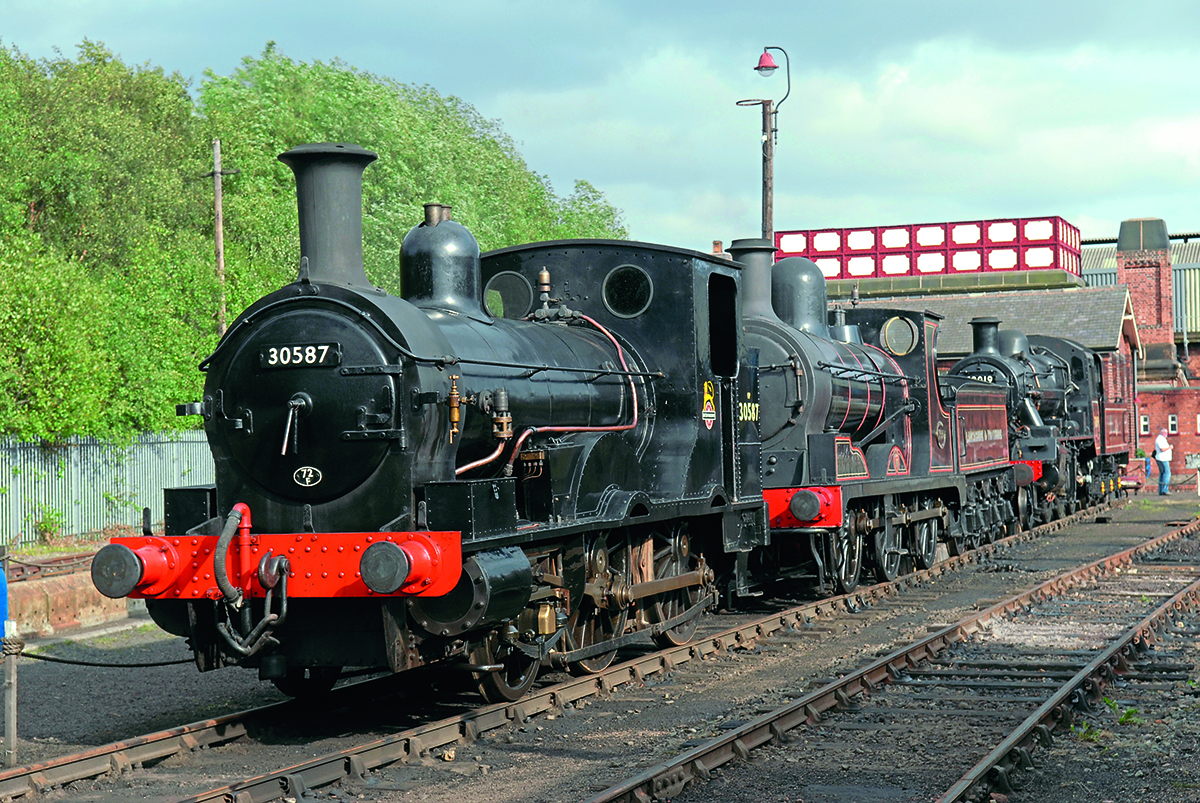
For the classic industrializers—think Britain, the U.S., Germany—the railway wasn't just a piece of infrastructure; it was the beating heart of the entire transformation. I pictured those early locomotives, not just as machines, but as catalysts.
For these nations, railways did three monumental things simultaneously:
- They created demand for the very industries they symbolized. Building thousands of miles of track required insane amounts of iron, steel, and coal, literally fueling the factories they would later supply.
- They shrank geography. Suddenly, a factory in Pittsburgh could reliably feed a market in New York. Perishable goods could travel. A true national market was born.
- They reorganized society. They standardized time, accelerated urbanization, and opened continents. In my reading, I found a quote that stuck with me: the railway was the "physical internet" of the 1800s. It was the network upon which the modern world was coded.
So, for the first wave, the answer was a resounding no. No rails meant no industrial takeoff. Full stop.
Chasing Exceptions: My Swiss Detour and Japanese Reality Check
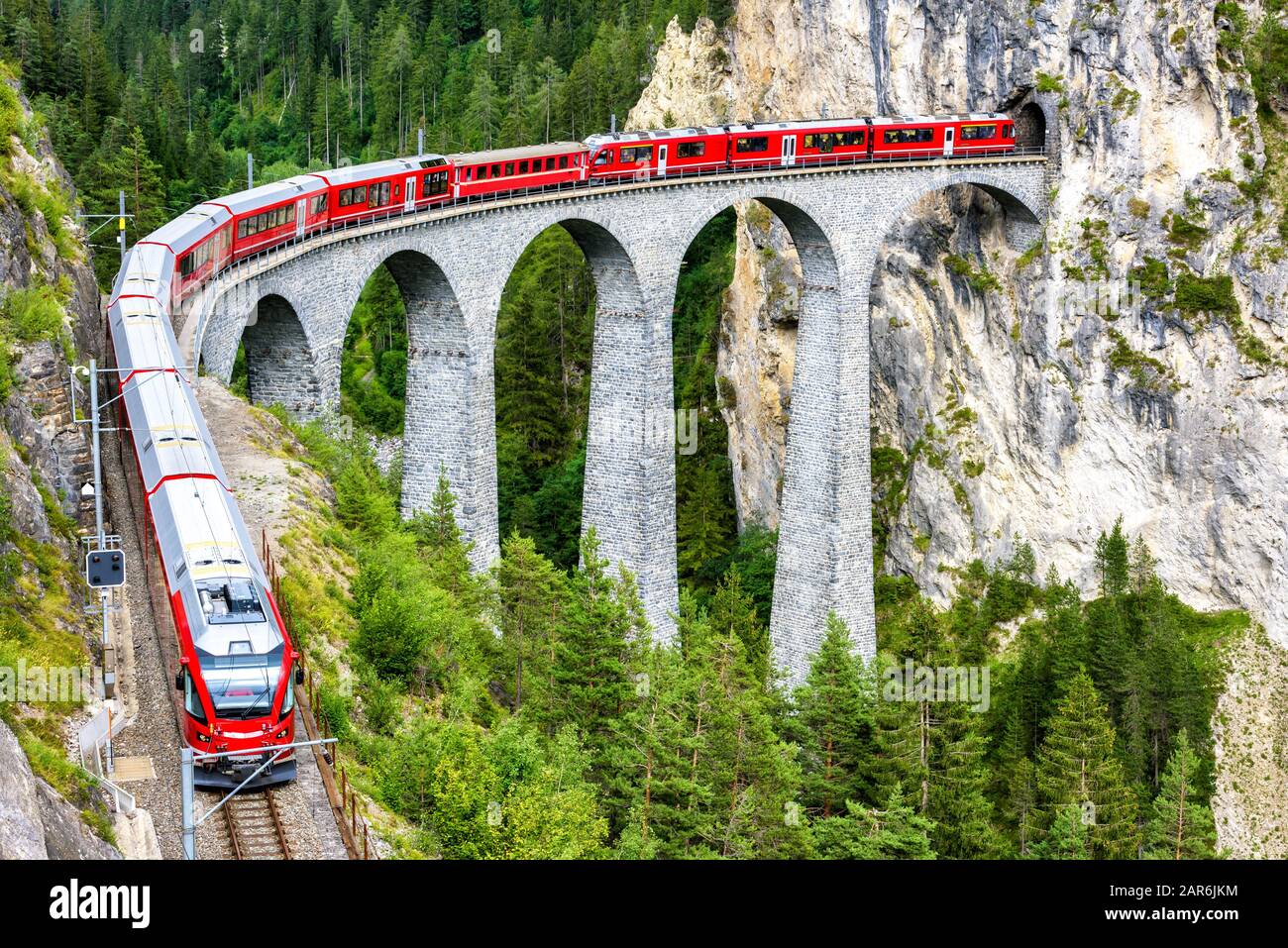 |
| Switzerland train bridge Stock Photos and Images |
My search for a clever loophole began. "Ah!" I thought, "Switzerland!" A mountainous, wealthy country famous for watches and banks, not smoky steel towns. Surely they skipped the rail mania?
Nope. Wrong again. I discovered that far from avoiding railways, the Swiss embraced them with incredible ingenuity in the mid-19th century, tunneling through the Alps precisely to connect with the industrial economies of their neighbors. Their later specialization in precision engineering was built on top of that foundational transport network.
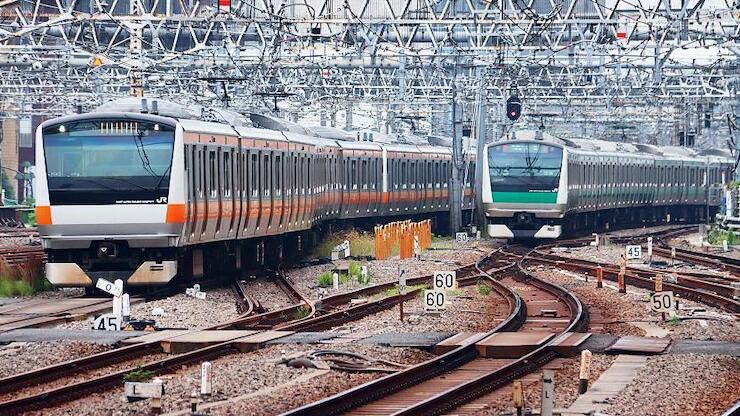
Next, I considered Japan. A late, rapid industrializer with a unique culture. Perhaps they took a different path? The history was clear: the Meiji elites famously sent missions West to identify the "secret sauce" of power. What was one of the first things they brought back and invested in voraciously? Railways. The Tokyo-Yokohama line opened in 1872, a direct state project to unify and modernize the nation. Another dead end.
The "Almost-But-Not-Quite" Cases: Cars, Ships, and Oil
 |
| By Minseong Kim - Own work, CC BY-SA 4.0, https://commons.wikimedia.org/w/index.php?curid=37103539 |
Frustrated with the 19th century, I jumped forward. What about the post-WWII "economic miracles"? Countries like South Korea industrialized in the age of the automobile and the container ship. This was my best hope.
But even here, the shadow of the rail was long. South Korea didn't build its high-speed KTX line until 2004, after its industrialization miracle. However, it heavily utilized and upgraded the extensive conventional rail network left from the Japanese colonial period to move coal, steel, and people during its critical growth decades from the 1960s to 80s. The railway was a supporting player, not the star, but it was still in the cast.
Then I had my "Aha!" moment. Saudi Arabia. Qatar. Brunei. Rich, modern, but not industrialized in the classic sense. They achieved wealth through geology—massive hydrocarbon reserves—and small populations. They are resource-based, post-industrial economies, not nations that built their wealth from the ground up through manufactured goods. They bought their infrastructure; they didn't spawn it from their own economic transformation. They proved the rule by being the exception to a different category.
My Takeaway: The Historical Verdict is Clear
 |
| www.japan-guide.com |
So, after my night of clicking through academic papers and historical summaries, here's my personal conclusion:
There is no historical example of a country achieving industrialized status through its own internal transformation without the railway playing a pivotal, formative role.
For the early giants, it was the essential catalyst. For the later miracles, it was a necessary piece of foundational infrastructure. The only nations that reached high-income status without it are those that skipped the industrial manufacturing phase altogether, relying on concentrated resources or global services.
The railway, it seems, was less a technology and more of a rite of passage. A country had to bind its land with iron ligaments to grow the muscular, integrated economy of an industrial power. It's a fascinating testament to how a single innovation can become so intertwined with a historical process that the two become nearly indistinguishable.
It makes me wonder what the equivalent "non-negotiable" infrastructure might be for the next great economic transformation. The fiber-optic cable? The data center? But that's a rabbit hole for another night.
What do you think? Did I miss a compelling counterexample in my deep dive? Let's discuss in the comments.
(AI assistance (DeepSeek) was used to help draft and organize this blog post; the author takes full responsibility for the final content.)

No comments:
Post a Comment