Here at our urban planning studio, we’ve spent decades looking for the holy grail of sustainable development: how to build cities where people can thrive without relying on cars. Time and again, our research circles back to one standout example: Japan.
 |
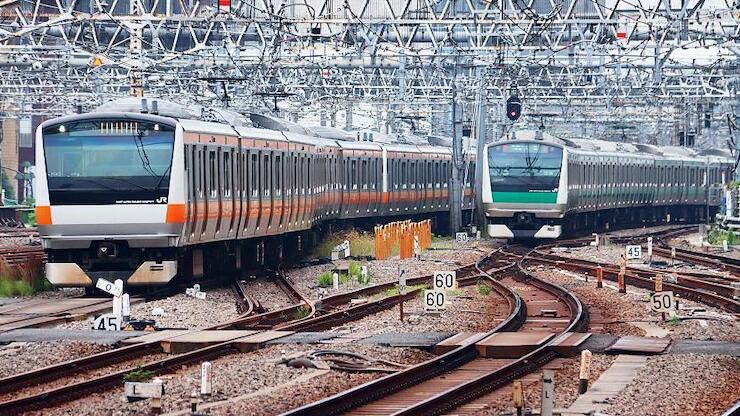
| Tokyo Station, Tokyo, Japan |
But Japan’s success isn’t just about fancy trains or dense cities—it’s about a deeply integrated system. After studying it closely, we believe other countries can adapt its core principles. Let’s break down how we can structure a national Transit-Oriented Development (TOD) framework, inspired by the Japanese experience.
Our Core Realization: It’s About Symbiosis, Not Just Rail
First, we had to unlearn a common misconception. TOD isn’t just about building a station and hoping development follows. Japan teaches us that the magic happens when transit, land use, and finance are designed as one single, symbiotic system. The rail line and the community around it must succeed together—or not at all.
The Pillars of the Japanese Model We’re Adopting
 |
| www.ur-net.go.jp |
From our analysis, we’re building our approach on these non-negotiable pillars:
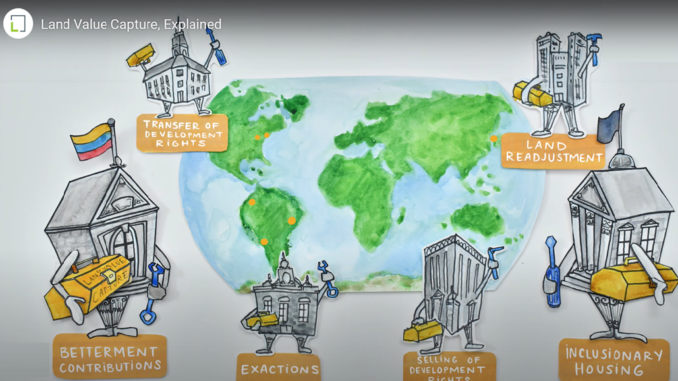
- The Profit Loop of Rail & Real Estate: The most powerful lesson. Japanese private railway companies (like Tokyu) could develop the land around their stations. Their profit came from both fares and rising property values. This created a built-in incentive to make stations desirable, safe, and well-connected. We’re advocating for legal frameworks that let us replicate this value-capture engine.
- Zoning for Life, Not Segregation: We’re often stuck with rigid zoning that separates homes, shops, and offices. Japan’s flexible zoning allows life to mix naturally. Our new mantra? Zone for “Ekimae” (Station-Front) vitality. This means by-right permissions for dense, mixed-use districts in every TOD zone.
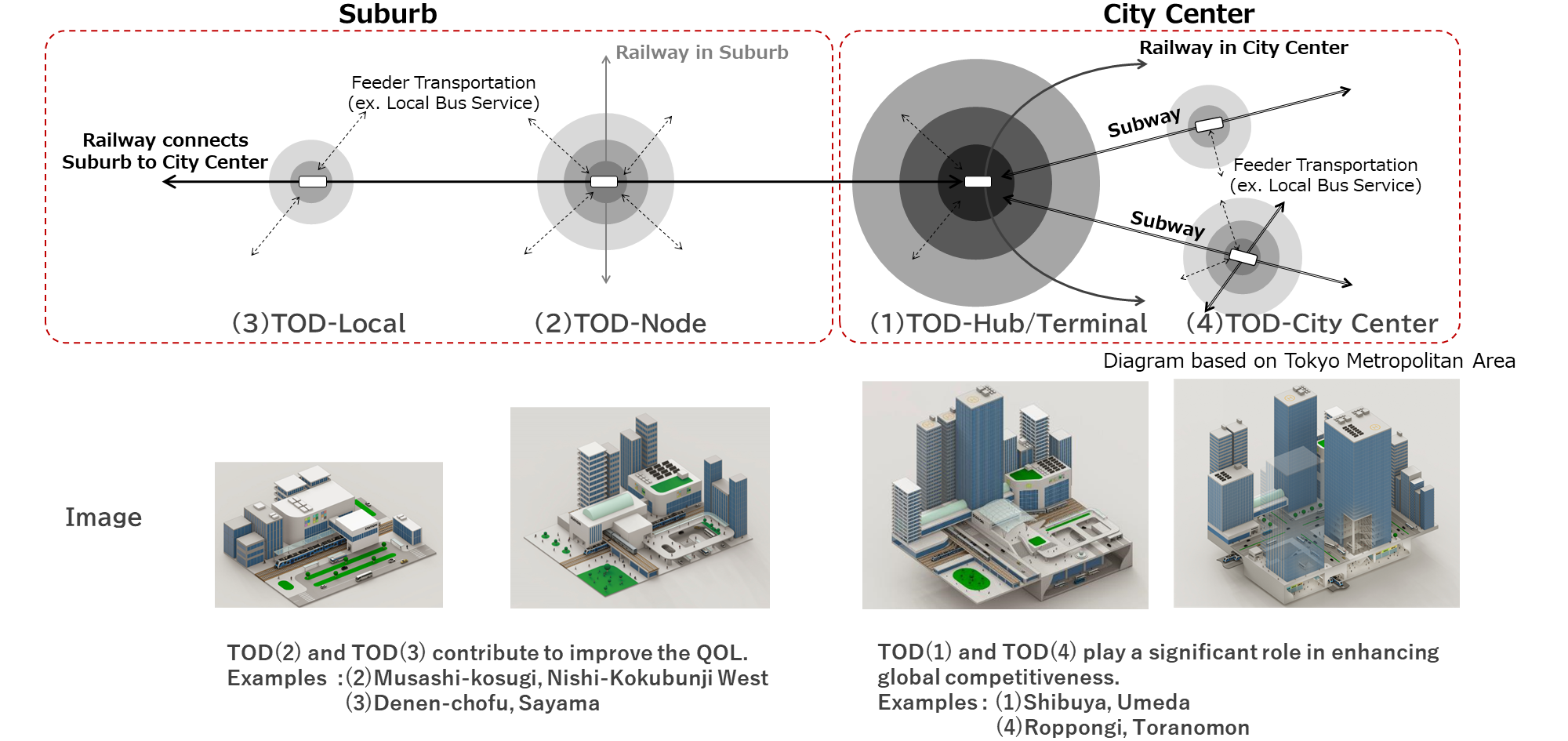
- The Hierarchical Network Mindset: Japan layers its systems: Shinkansen for the nation, commuter lines for the region, subways for the city, buses for the neighborhood. We’re designing our national plans with this same hub-and-spoke clarity, ensuring every line and station has a defined role in the greater network.
Our Four-Phase National Implementation Blueprint
Phase 1: Laying the Legal Bedrock
We’re starting by championing laws that unlock Land Value Capture. This means creating tools for joint development, tax increment financing, and special assessment districts. We’re also pushing to replace restrictive zoning codes with TOD Zone classifications that mandate mixed-use and density based on proximity to the station.Phase 2: Strategic Spatial & Network Planning
 |
| www.en.wikipedia.org/wiki/Spatial_planning |
We’re mapping the nation not just by cities, but by corridors of opportunity. Our national rail plan identifies where strategic lines can unlock new growth. We then categorize every station:
- Urban Core: The financial and cultural hearts.
- Suburban Hub: The new town centers with hospitals, colleges, and malls.
- Local Stop: The daily-needs community anchor.
Each type gets its own tailored playbook for density, public space, and civic function.
Phase 3: Financing & Building the Loop
Here’s where we make the model self-sustaining. We’re structuring Transit-Development PPPs where the right to develop station areas helps fund the rail infrastructure itself. We’ll phase construction: rail and core amenities first, then let the resulting value uplift finance subsequent residential and commercial phases. Crucially, we’re embedding inclusive housing requirements to ensure these new hubs are for everyone.
Phase 4: Governing for Long-Term Vitality
Our job isn’t done when construction ends. We’re advocating for local Station Area Management Entities—public-private partnerships that handle cleaning, security, events, and wayfinding to keep these precincts competitive and vibrant for decades.
 |
| Land value capture |
The Critical Adaptations We’re Making
We know we can’t copy Japan blindly. Their model grew from unique post-war conditions. So, we’re adapting:
- Emphasizing Equity: We’re baking stronger affordable housing mandates and community benefit agreements into our plans to prevent displacement—a challenge Japan often overlooks.
- Public Leadership: Where Japan had powerful private railways, we often need the public sector to lead. We’re ready for governments to play a stronger role in land assembly, initial funding, and setting the rules of the game.
- Retrofitting Existing Cities: Much of our work involves retrofitting car-centric spaces. This is harder than building on greenfield sites, but we’re developing phased, patient strategies for this very challenge.
Our Final Take: Shift the Paradigm
For us, the ultimate lesson from Japan is a paradigm shift. We must stop seeing public transit as a cost center and start seeing it as the core engine of economic value creation and sustainable urban growth.
By integrating what we’ve traditionally kept separate—transport, housing, zoning, and finance—we can build a future where accessing your job, your school, or your park is a short, pleasant walk from a world-class transit station. That’s the future we’re structuring, one station at a time.
Let’s keep the conversation going. What’s the first step your city or country should take? Share your thoughts below.
AI assistance (DeepSeek) was used to help draft and organize this blog post; the author takes full responsibility for the final content.



_(cropped).jpg/250px-Alexander_Stubb_-_2024_(73516)_(cropped).jpg "President of Finland")

.jpg/500px-Petteri-Orpo-01_(cropped).jpg "Prime minister of Finland")